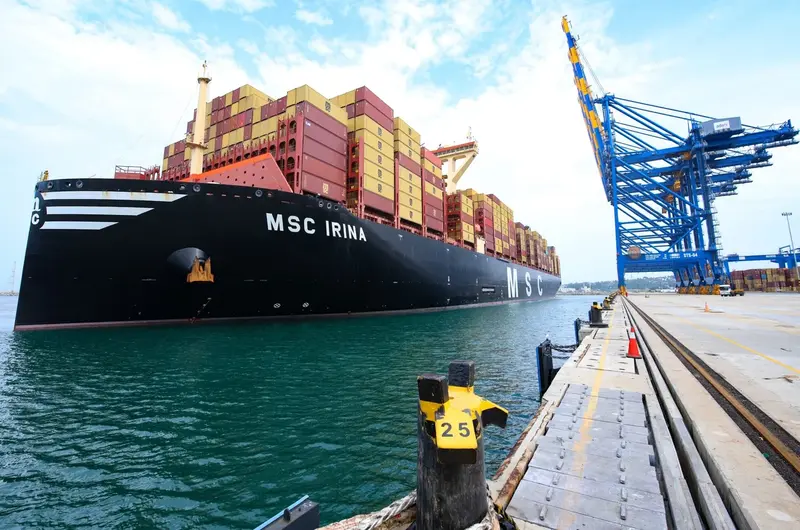
Vizhinjam International Container Terminal: India’s Maritime Revolution
Vizhinjam is a small coastal town just three km from Kovalam, the popular beach destination in Thiruvananthapuram district. While the world knows this region for its pristine sands, there is a large natural seaport in Vizhinjam which is located close to the international ship route. This strategic positioning has turned a quiet fishing village into the site of the Vizhinjam International Transshipment Deepwater Multipurpose Seaport—India's first mega-transshipment container terminal.
The areas in and around Vizhinjam are already known for their state-of-the-art Ayurvedic treatment centres, luxury spas, and internationally acclaimed beach resorts. However, the emergence of the port adds a layer of industrial and commercial significance that is set to change the face of South India.
1. A Strategic Masterstroke in Location
It is located on the outskirts of the capital city, 16 km away from the city centre and 1 km away from the city limits, but located within the Thiruvananthapuram metropolitan area. As it is a natural port, the geographical advantages are staggering.
The established site is just 10 nautical miles from the major East-West international shipping route. In addition, this site has a natural depth of 20 meters as close as one nautical mile from the coastline. This high natural depth means minimum capital dredging is required, making the whole scheme incredibly cost-effective compared to other major ports in the region.
Competing with Global Hubs
It is estimated that at least 50% of the nearly 20,000 ships that pass through the Suez Canal every year would anchor here. Historically, Indian cargo has been transshipped through foreign ports. It is expected that with the functioning of the port in full swing, the ports of Colombo, Singapore, and Dubai might face serious competition from India. This will boost trade and commercial activities not only in Kerala but also the entire country
2. Technical Specifications and Infrastructure
The $1 billion deep water international seaport and container transshipment terminal at Vizhinjam is a marvel of modern engineering. The port is designed to be 150 meters in width, with approximately 2.5 to 2.75 km² (roughly 600 to 700 acres) made available through the reclamation of the sea.
Breakwaters and Berths
The port features two massive breakwaters of 1.5 km and 6 km each, creating a protected harbour basin and wharves. There are planned to be about 30 berths, most of which would be capable of handling "Mother Vessels"—the largest container ships currently in operation globally.
Depth Advantages
As the sea is 23 to 27 meters deep at the selected site, it facilitates the berthing of massive container ships that require significant draft depth. Currently, very few ports in the world can accommodate these super-vessels without constant, expensive dredging. Vizhinjam’s natural depth is its greatest competitive asset.
3. Economic Impact and Transshipment Potential
The Vizhinjam terminal is seen as a crucial scheme for the Indian shipping sector. Currently, a large portion of Indian container traffic is transshipped at foreign ports, resulting in an annual loss of revenue and increased transit times.
It is estimated that the cargo movements to the southern, northern, and western regions of India may find it more cost-effective to use Vizhinjam as a gateway/transshipment terminal instead of the ports presently being used in Colombo, Singapore, or Salalah. By bringing this business back to Indian soil, the port will:
- Reduce logistics costs for Indian exporters and importers.
- Create thousands of direct and indirect jobs in the Thiruvananthapuram district.
- Attract massive investments in logistics parks, free trade zones, and ancillary industries.
4. Development and Connectivity
The Government has committed to developing the basic infrastructure, which includes rail and road connectivity to the port site, and has set aside significant funds (initially over Rs 450 crore) for this purpose.
Rail and Road Linkages
A separate company, Vizhinjam International Sea Port Ltd (VISL), was established to oversee the work. Crucially, the port is being connected to the national railway network through a dedicated underground tunnel (one of the longest in India) to ensure that cargo can move seamlessly from the coast to the hinterland without disrupting the local urban traffic.
Investment Interest
Several domestic companies as well as overseas majors have evinced interest in the development of the deep water transshipment terminal. The Public-Private Partnership (PPP) model, notably involving the Adani Group, has accelerated the construction of the berths and the installation of state-of-the-art automated cranes.
5. Synergizing Tourism and Industry
One of the most unique aspects of the Vizhinjam port is its proximity to Kovalam. While some feared that industrialization might impact tourism, the 2026 reality is one of synergy.
- Cruise Tourism: The port includes a dedicated cruise terminal, allowing international luxury liners to dock just minutes away from Kovalam’s famous beaches.
- Infrastructure Upgrades: The road expansions required for the port have drastically improved the travel time from the airport to the luxury resorts of Kovalam and Poovar.
- Modern Amenities: The growth of the port has led to a surge in high-quality dining, shopping, and business facilities that benefit international tourists as much as port executives.
6. The Significance for India's Future
According to expert opinion, a high potential for a new port is being seen as India is going to need additional capacity in the coming years. As the third-largest economy in the world, India’s maritime strategy—encapsulated in the Sagarmala Project—depends heavily on hubs like Vizhinjam.
The relevance and significance of the Vizhinjam port cannot be overstated. It is more than just a place to unload containers; it is a statement of India’s maritime sovereignty. By capturing the traffic of the Indian Ocean, Vizhinjam ensures that the "Blue Economy" becomes a reality for the state of Kerala.
7. Environmental and Social Responsibility
The development of a project of this magnitude involves careful ecological balance.
- Sea Reclamation: The 600-700 acres of reclaimed land are being developed using advanced techniques to minimize impact on the local marine ecosystem.
- Fishermen Welfare: Since Vizhinjam is a veteran fishing hub, the port project includes extensive rehabilitation and modern fishing harbor facilities to ensure that the local community grows alongside the terminal.
The Vizhinjam International Container Terminal is the jewel in the crown of Kerala’s industrial landscape. Just a stone’s throw from the swaying palms of Kovalam, this port is a testament to what is possible when natural geography meets visionary engineering.
With its unparalleled natural depth, strategic location near international trade routes, and state-of-the-art transshipment capabilities, Vizhinjam is not just competing with Colombo or Singapore—it is setting a new standard for maritime excellence in South Asia. As the Mother Vessels begin to line the wharves of this coastal giant, the world will look to Vizhinjam as the true gateway to the Indian economy.
Want to explore the beauty surrounding this industrial marvel? Check out our guides on The Best Beaches in Kovalam and Luxury Resorts Near Vizhinjam.
0 Comments
Post Comment